
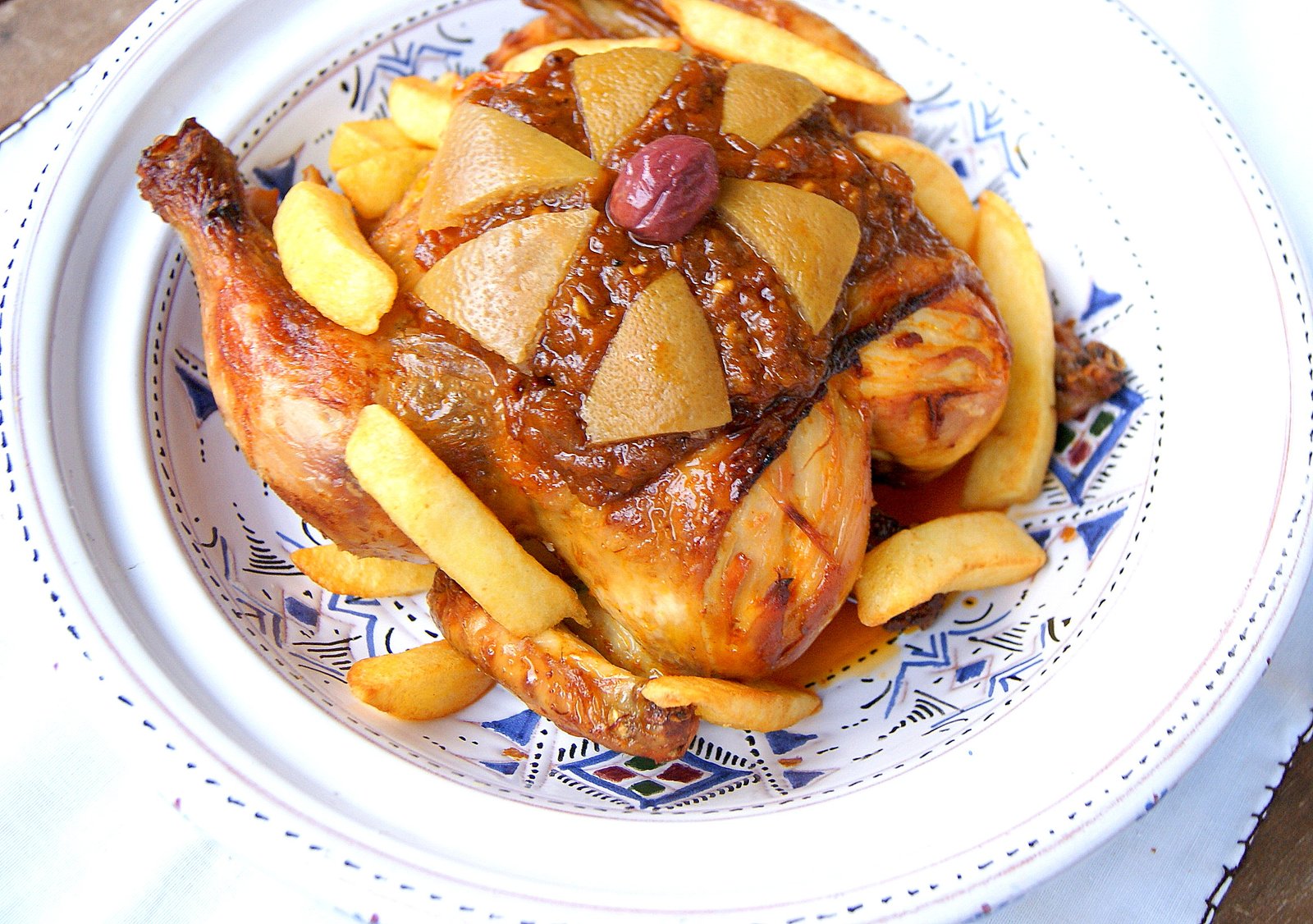
Flavorful M’hammar: A Traditional Moroccan Delight

M’hammar, pronounced as mhammar or hammer, represents a distinct cooking method steeped in Moroccan culinary tradition. This slow-cooking process involves two stages—initial stovetop cooking followed by roasting or frying, resulting in a savory dish that delights the senses.
Understanding M’hammar: The Essence of Moroccan Cuisine
The term M’hammar derives from the Arabic word ah’mar, meaning red, which perfectly describes the mahogany hue that characterizes this dish. Achieving this rich color involves a two-step cooking method. Initially, the meat or poultry is marinated in a blend of spices, including paprika, which injects the first layer of color. Subsequently, the meat is roasted or fried, offering a beautiful second layer of red.
M’hammar vs. M’qualli: Distinct Cooking Styles
A common point of confusion among many, especially young cooks, is the difference between m’hammar and m’qualli. While both are prepared with spices, the key distinction lies in the use of paprika and the cooking method. M’hammar focuses on achieving a rich red color, while m’qualli emphasizes other combinations. Understanding these differences is essential for any aspiring Moroccan chef.
How to Prepare the Perfect M’hammar
Preparing m’hammar requires patience, making it a favored choice for special occasions. When it comes to chicken m’hammar, the process typically includes brining, marinating, and careful cooking stages. Here’s a breakdown of the steps:
- Start with brining the chicken to enhance flavor.
- Next, marinate the meat, allowing it to absorb the spices over several hours.
- The first cooking stage should occur a day before serving to deepen flavor absorption.
- Lastly, roast or fry the dish just before serving for that perfect finish.
Exploring Variations of M’hammar Across Morocco
Interestingly, m’hammar isn’t limited to just poultry or lamb. Many regions boast unique takes on this beloved dish. For instance, in Sephardic cuisine, m’hammar may refer to a thick fritata known as meguina, showcasing diverse culinary influences. Other variations may include:
- A regional m’hammar that omits onions but indulges in olive oil and a medley of spices.
- A distinctive preparation combining elements of Muslim and Sephardic traditions, often incorporating free-range eggs.
- Unique interpretations from Rabat, where locals refer to m’hammar as “tagines with paprika.”
- Some versions are served with fried potatoes or alongside fresh salads, providing a contrasting texture.
Serving Suggestions for a Memorable Meal
Regardless of the specific recipe you choose, remember that preparing m’hammar requires time, attention, and love. It serves as a stunning centerpiece for any meal, impressing guests with its deep flavors and eye-catching presentation. When serving, consider pairing m’hammar with fresh salads or warm bread to enhance the dining experience.
For those inspired to explore further, check out fantastic cooking tips on BIGZBBQ or find essential cooking tools on Amazon.

Do you have any ideas or suggestions? Share them with us in the comments